Before buying materials for an outdoor sulcata tortoise enclosure, work out where everything will go. The tortoise needs space to move and dig, secure boundaries, shade, and shelter for cold weather. You’ll also need to know where water drains. A shelter can fit the tortoise perfectly and still be in the wrong place if runoff flows toward its entrance.
This guide is for Las Vegas homeowners planning a yard for an adult sulcata. It covers what to measure and what to discuss with a builder or reptile veterinarian. If you have a hatchling, get a care plan for its age before considering outdoor housing.
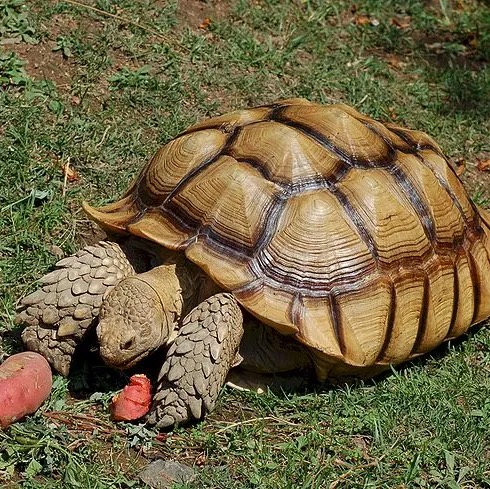
Orange Grove Animal Hospital’s sulcata care guide advises owners to account for the animal’s adult size when preparing an enclosure. The corner that works for a young sulcata can become cramped as the tortoise grows and needs a larger shelter.
Draw the enclosure to scale, including the house, walls, gates, paving, planting beds, irrigation, and shelter. Look at the space left between them. Check for narrow passages the tortoise would have to squeeze through, and leave yourself room to reach the shelter, inspect the walls, and clean the water area.
A long side yard can look roomy on paper. Add the shelter and the path you’ll use to reach it, though, and much of that width may be gone. Measure both before deciding the space will work.
Take the drawing to your reptile veterinarian to discuss whether it suits your tortoise. Include the shelter and other features so they can see how much space the animal will have to use.
Sulcatas are strong and can dig their way out. LafeberVet’s sulcata husbandry sheet describes their tunneling ability and the need for secure fencing. Plan what happens below the wall as carefully as what happens above it.
Walk the full enclosure boundary with the builder. Stop at the gate, corners, changes in ground level, and any place a new barrier meets an existing wall. Ask how they’ll secure each connection and prevent the tortoise from digging underneath.
A care sheet explains why digging matters, but it won’t tell you which footing suits your yard. Your builder needs to work out the materials and connections, including whether existing property walls can contain the tortoise.
Include the gate from the start. Check the ground beneath it when it’s closed and the room you need to bring in cleaning supplies or equipment. Agree on how it will contain the tortoise before construction begins.
The British Chelonia Group’s sulcata care sheet recommends providing burrowing facilities because tunneling is natural behavior for this species. Allow for that when you lay out the yard.
Before choosing a digging area or shelter location, map nearby foundations, property boundaries, irrigation lines, and buried services. Leave a route for inspection. Discuss where the tortoise can dig within the secure enclosure and how you’ll check the area as it changes.
You’ll still need to resolve winter housing even if the tortoise has somewhere to dig. Discuss the burrow and cold-weather shelter with your reptile veterinarian as parts of the same enclosure plan.
Our desert tortoise burrow guide covers captive Mojave desert tortoises. If you’ve been using it for ideas, check the differences with your veterinarian before choosing a sulcata design. The species have different care needs.
Las Vegas has cold nights as well as hot summers. The National Weather Service’s local climate summary describes summer temperatures in the triple digits and cold winter nights in the 20s °F, with differences across the valley.
ReptiFiles’ sulcata care sheet recommends sunshine, shade, and soil that drains well. To check your yard, take photos in the morning, around midday, and later in the afternoon. Mark where the shadows fall each time.
Date the photos and revisit the yard as the seasons change. That shady corner may look different later in the year. Your drawing should also show the shelter and planned shade structures, with room for the tortoise to move around them and for you to reach inside.
LafeberVet’s husbandry guidance says fresh drinking water should always be available. Discuss a suitable water setup with your veterinarian and put it somewhere you can reach easily to clean and refill.
On the same drawing, trace where runoff goes. Check patio edges and irrigation outlets, along with roof drainage and low spots. The National Weather Service notes that summer thunderstorms can send water into low-lying areas even in this dry climate.
Ask the builder where water will go once the enclosure is finished, including after any planting or irrigation changes. Tell them where you’ve seen puddles collect. If you’re inspecting on a dry day, look for marks left by ponding water and use what you’ve noticed after watering or rain.
Sulcata tortoises do not hibernate. Orange Grove Animal Hospital recommends insulated protection from excessive heat and cold, with suitable winter housing or indoor accommodation during cold months.
Settle the winter plan before building. If you’re considering an outdoor tortoise house with heating, ask your reptile veterinarian to define the conditions your tortoise needs. A qualified installer should handle the equipment and electrical requirements.
Work out how you’ll measure conditions inside the shelter and check that the heating works during cold weather. Have somewhere suitable for the tortoise to stay if the shelter is unavailable. Choose the heating equipment and settings with that plan in hand.
Before requesting construction advice, gather:
With the sketch and photos in front of you, it’s easier to discuss what will fit and which questions need care advice before you choose materials.
Tell us about your yard and what you'd like to build. We'll get in touch to talk through the project and your free quote.